
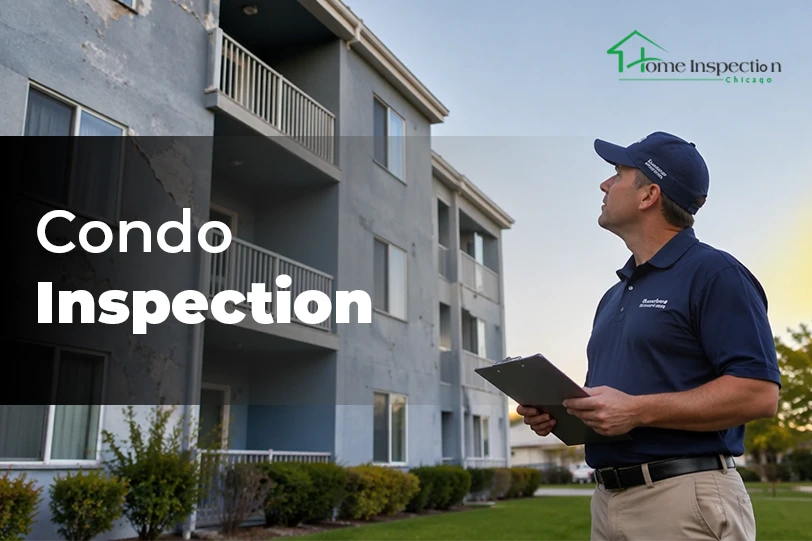
Buying an older condo can come with hidden repair costs that are not visible during a regular visit. A condo inspection helps uncover issues such as aging plumbing, faulty wiring, water damage, and structural wear before you commit. It also gives clarity on ongoing costs like monthly condo fees and HOA charges, helping buyers avoid unexpected financial strain and make a more informed investment decision.
Why Is a Condo Inspection Important?
A condo inspection is important because it assesses the true condition of a unit and uncovers issues that may not be visible during a normal walkthrough, such as moisture damage, plumbing leaks behind walls, faulty electrical connections, and early signs of structural wear. So, as a buyer, you understand what you are truly committing to before finalizing the purchase. The key benefits and considerations are listed below.
Uncover Hidden Problems
Hidden issues related to plumbing or electrical wiring can only come to light through a professional inspection.
Save Money Later
Timely inspections save money by uncovering problems early on.
Negotiation Power
By getting information through inspection, you can negotiate well with the sellers.
Peace of Mind
An inspection will give peace of mind and a sense of satisfaction before you buy the property.
Safety Concerns
Having a safe property is your top priority so getting a thorough inspection ensures there are no issues regarding electrical safety, water damage, and mold growth.
Older Building Risks
Through inspection, you can find out about old piping sytem, wiring, and other system issues commonly found in older condominium buildings before finalizing the purchase.
Special Condo Concerns in Older Buildings
Maintained exteriors do not always mean nothing is wrong with the interior of the property. Problems in older condominiums are mainly related to systems. These can arise after some time. Inspection of such condos is vital as it uncovers problems related to aging materials, security hazards, and costly maintenance.
Aging Plumbing
Water damage and leakage issues may occur due to corrosion in pipes, lack of sufficient water pressure, or leaking pipes that are present in older condominiums.
Outdated Electrical Systems
Outdated electrical wiring that fails to adhere to safety standards may result in overloading, blackouts, and even electrical fires.
Water Intrusion
Lack of proper sealing near roofs, windows, and exterior walls may facilitate the infiltration of water and subsequent growth of mold.
Foundation Settlement
Structural problems caused by shifting foundations may lead to cracked walls and unstable flooring surfaces.
Roof Issues
Aging roofs can develop leaks or drainage problems that often become shared expenses handled through HOA assessments.
HVAC Lifespan
The heating and cooling equipment of older buildings is likely to have already exceeded its lifespan, resulting in poor performance and more costs for replacements.
Building Code Compliance
Older buildings are unlikely to meet existing building codes, which could create difficulties when remodeling.
Elevator Systems
Worn elevator systems in multi-story condos can require expensive repairs or modernization that impact all unit owners through association fees.
Shared Infrastructure
Common systems like plumbing risers, electrical panels, and ventilation shafts can create building-wide issues that affect multiple residents at once.
What Does a Condo Home Inspection Include?
The purpose of the condo home inspection is to find out whether there are any dangers, deficiencies, or problems before you buy it. For this reason, a condo home inspection checklist would be very useful since it will help you be fully prepared and nothing will go unnoticed by the inspector. The checklist should include the following:
Interior Unit
- Walls, floors, ceilings
- Windows and moisture signs
- Plumbing and water pressure
- Kitchen appliances
- Electrical outlets and panel
- HVAC and thermostat
- Water heater
- Safety detectors
Shared Areas
- Balconies or patios
- Storage or parking spaces
- Hallways (visible condition)
- Shared systems
- Entry/intercom access
What Is Not Usually Included in a Condo Inspection?
A condo inspection typically covers only the interior unit and does not fully evaluate major shared or exterior components managed by the HOA. These areas are maintained by the association and are not part of a standard inspection.
- Roof systems
- Exterior walls
- Parking lots and garages
- Elevators
- Shared amenities like gyms or pools
Since these factors have been left out, it is wise for the buyers to check HOA documents such as reserve funds, building maintenance records, and condo fees.
Common Condo Inspection Red Flags Buyers Should Never Ignore
Red flags that signal high-cost repairs and potential hazards are likely to be spotted during a condominium inspection. Recognizing such problems, and having a condo inspection checklist for buyers, ensures you don’t have to face any unnecessary costs later
- Water damage from hidden or recurring leaks
- Mold growth caused by moisture or poor ventilation
- Foundation cracks indicating structural movement
- Hazardous electrical elements like outdated wiring or overload threats
- Plumbing problems like active leaks behind walls or from fixtures
- Drainage problems that result in water puddling or seepage
- Pest infestations due to rodents and termites
- Structural damage resulting in floor irregularities or wall cracks
- Frequent HOA special assessments signaling ongoing building issues or underfunded reserves
How Much Does a Condo Inspection Cost in Chicago?
The price range of Condo Inspection Cost Chicago ranges from $300 to $600, depending upon the type, size, and age of the property, and the nature of services required. Additional services like mold tests and radon testing could also affect the inspection cost.
| Condo Size | Average Condo Inspection Cost |
|---|---|
| Up to 800 sq. ft. | $300–$400 |
| 800–1,200 sq. ft. | $350–$450 |
| 1,200–1,800 sq. ft. | $400–$550 |
| 1,800+ sq. ft. | $500–$600+ |
Difference Between Condo Inspection and Home Inspection
A condo inspection focuses on the individual unit, while a home inspection evaluates the entire property, including exterior structures. Condo buyers also rely heavily on HOA records since many major building systems are shared and not fully covered in the inspection.
| Feature | Condo Inspection | Home Inspection |
|---|---|---|
| Interior unit systems | Yes | Yes |
| Roof and exterior walls | No | Yes |
| Foundation | Limited review | Full Inspection |
| Shared building systems | Partial review | Not applicable |
| HOA document review | Essential | Not Required |
| Responsibility scope | Unit Only | Entire Property |
How to Choose Professional Condo Inspection Services?
Selecting inspection services will give you the assurance of knowing exactly what condition the property is in, especially if it is an old building. Your chosen professional condo inspection services must be able to identify problems that only occur in condominiums and advise you on how the HOA will influence your finances.
- License: It is essential to determine if the inspector is licensed by the state.
- Credentials: Inquire if the inspector holds any certifications.
- Experience: Ensure that the inspector is experienced with working in condo associations.
- Inspection Report Sample: The inspector must be able to give clear reports together with pictures.
Questions to Ask Before and After the Inspection
The process of asking good questions will give purchasers an idea about what to expect when they receive the results of their condominium inspection. Here are a few questions to ask before and after the inspection:
Before Inspection
- What does the condo inspection include and exclude?
- Are there any building-specific limitations?
- Can I attend the inspection?
- Do you have condo and older building experience?
After Inspection
- Which issues are urgent or safety-related?
- What repairs could be costly?
- Are any problems tied to HOA or shared systems?
- Do I need additional specialist inspections?
Frequently Asked Questions
Who carries out a condo inspection?
A licensed home inspector with experience in condominiums performs the inspection.
What is the difference between an HOA and a Condo Association?
An HOA can manage different property types, while a condo association specifically manages condominium buildings and shared areas.
Can I waive the condo inspection to speed up the buying process?
Yes, but it is risky because you may miss costly defects and safety issues before the purchase.
Can the HOA inspect my condo?
Yes, but only for maintenance, safety, or compliance, and not as a full property inspection.
Who pays to inspect the condo, buyer, or seller?
The buyer usually pays for the condo inspection during the due diligence process.
Do condos need termite inspection?
Not always, but it is recommended in older buildings or if signs of pest activity are found.
