
Condo Inspection
Find Out What You Are Really Buying With a Condo Inspection
Trust our detailed condo inspection in Chicago to uncover hidden issues before you buy. We deliver thorough, accurate reports on structural integrity, systems, and common condo pitfalls to protect your investment. Serving all Chicago neighborhoods with same-day scheduling.
Condo Inspection Explained:
A condo inspection highlights hidden issues and necessary repairs, helping you understand the unit’s condition clearly. A structured checklist ensures all important systems are carefully checked.
This inspection, unlike a full home inspection, primarily evaluates the interior unit, including systems and appliances. Shared areas such as roofs and common spaces are handled by the condo association.
Why Choose Us
We turn complex condo conditions into clear, practical insights you can actually use before making a decision.

Certified and Trained Inspectors
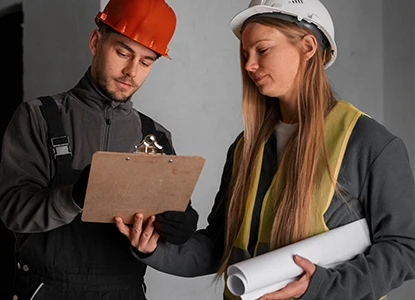
Work with qualified professionals who bring real world experience in condominium inspections and follow industry standards for accuracy and reliability.

Condo Specific Knowledge and Methodology
Our inspections are designed specifically for condo buildings, using a structured approach to assess unit systems and shared property areas with clarity and precision.
Coverage Across Key Service Areas
Our services are available across Chicago, ensuring convenient access to trusted inspections for buyers and property owners.

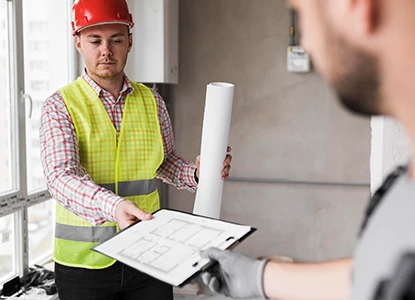
Detailed Digital Reports with Photos
Get clear reports with images and concise summaries that help you understand property issues easily and plan your decisions confidently.
Fast Report Delivery
We deliver results the same day or the next day so you can move forward without delays.
Transparent and Reliable Service
No hidden fees or confusion, just clear communication and transparent condo inspection cost from start to finish.
Who Should Consider a Condo Inspection?
A condo may appear in good shape, but minor issues often stay hidden in walls and other components. A condominium inspection helps uncover these early. Not every buyer thinks they need one, which is understandable, yet skipping it often leads to surprise costs later. Below are the common groups who usually benefit, even if it doesn’t seem urgent at first.
New Homeowners
Your first condo purchase may seem simple, but certain problems may remain unseen during the initial viewing. An inspection verifies the actual condition of the property before you commit.
Property Owners and Investors
The inspection identifies potential concerns early, supports informed pricing decisions, and helps manage future repair and maintenance needs.
Buyers of Older or Resale Condominiums
Older units typically include aging components, and an inspection checks major systems in advance to help avoid unexpected repair costs.
Buyers of Recently Built Condos
New builds can still have defects. An inspection helps uncover workmanship issues and incomplete finishes before closing.
How a Condo Inspection Works
The process is structured to examine the unit closely and provide clear, useful insights before closing.
Process:
Choose the Right Inspection Professional: Select a condo inspector with strong knowledge to ensure both unit and building-related concerns are properly evaluated
Schedule the Inspection: Book the inspection soon after signing the purchase agreement, ideally within the standard due diligence period of 7 to 10 days.
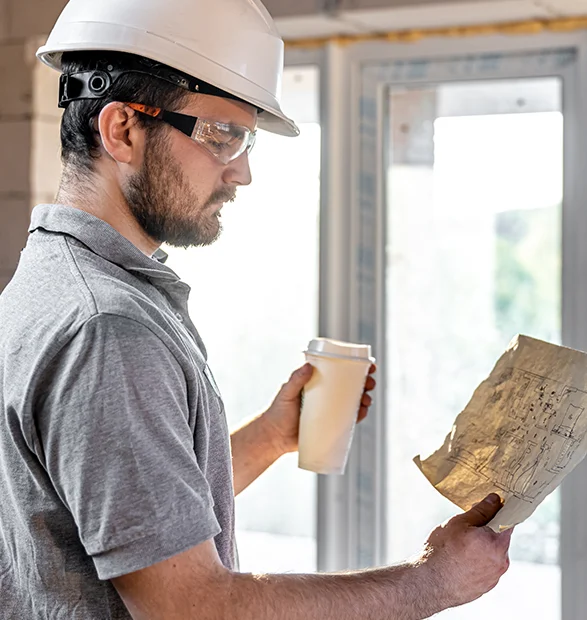
The Inspection Is Conducted: Everything from the walls to the floors, ceilings, fixtures, and appliances are examined to evaluate the unit’s condition.
Receive the Inspection Report: You get a detailed report, often delivered quickly, outlining defects, safety concerns, and recommended repairs in clear terms.
Review and Take Action: Go through the report and use the results to ask for repairs, a price adjustment, or determine if you should move forward with the purchase.
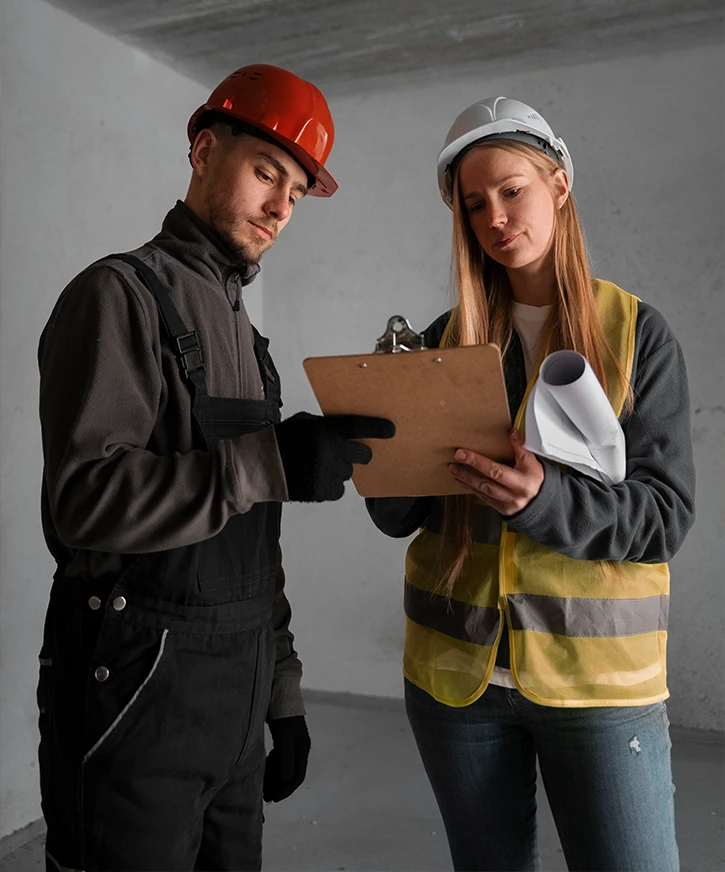

Condo Inspection Checklist: What We Inspect
Below is a detailed breakdown of what we inspect to assess the overall condition of a condo.
HVAC System: HVAC components are evaluated for proper performance, efficiency, and any apparent problems.
Plumbing System & Fixtures: The plumbing system, including pipes and fixtures, is checked for leaks, pressure problems, and visible deterioration.
Electrical System: Outlets, switches, and panels are assessed to ensure reliable and safe electrical performance.
Structural Interior Check: All walls, floors, and ceilings are checked for cracks, stains, and any signs of deterioration or wear.
Appliances: Any installed appliances are tested for correct and safe functioning.
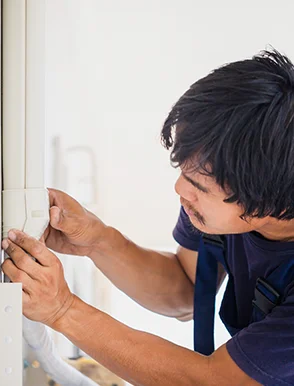
Windows and Doors: All windows and doors are evaluated for proper function, sealing, and any defects causing drafts or misalignment.
Safety System Check: All safety features are checked and verified, including smoke and carbon monoxide alarms, for proper operation and occupant protection.
Balconies / Exterior Items: Accessible exterior areas are reviewed for structural condition, drainage, and visible wear.
FAQs
-
Why should I inspect a new condo?An inspection for a new property helps identify hidden defects and ensures proper construction before final closing.
-
How much does a condo inspection cost?Condo inspection costs depend on the size of the unit and location, but most fall within a few hundred dollars range.
-
How long does a condo inspection take?It usually takes 1-3 hours depending on the size of the unit and its condition.
-
What should I do with the report after I receive it?Use the report to request repairs, negotiate price, or make an informed purchase decision.
-
What does a condo inspection include?A condo inspection covers HVAC, plumbing, electrical systems, interiors, appliances, windows, and safety features.
-
What are the red flags in condo inspection?Common red flags include leaks, electrical issues, structural cracks, poor ventilation, and faulty appliances.
-
What are the types of condo inspections?Types include pre-purchase inspections, new construction inspections, and maintenance or condition assessments.
